Introduction to Altcoins
In the world of cryptocurrency, Bitcoin has long reigned supreme. But beneath its shadow, thousands of other digital assets have emerged — collectively known as altcoins.
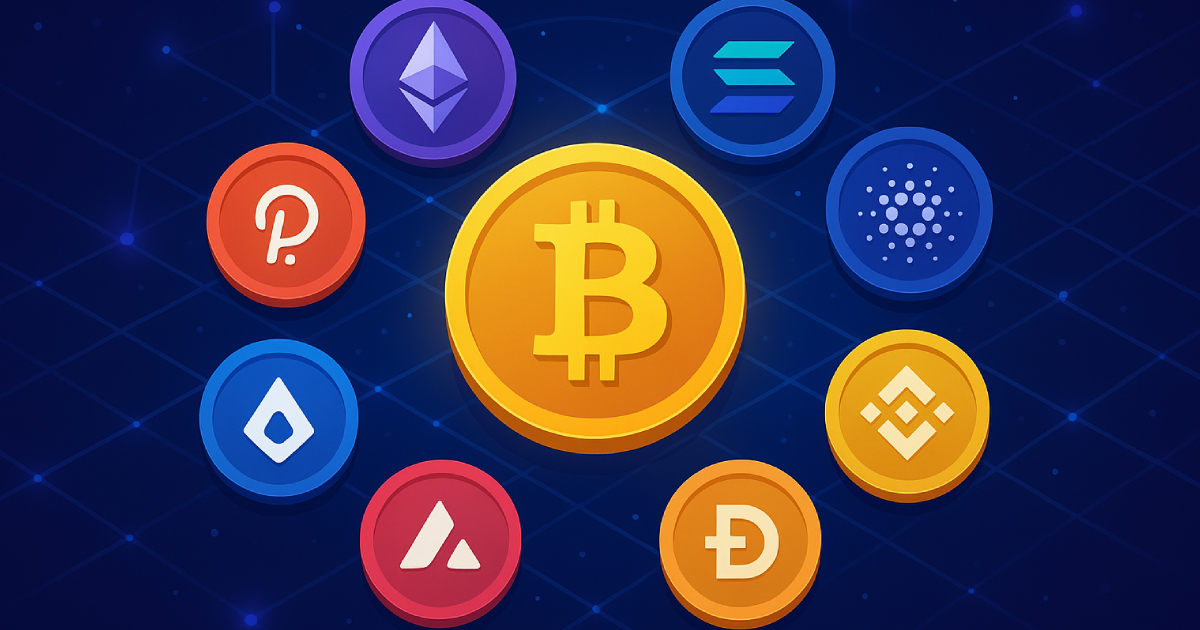
The term “altcoin” simply stands for alternative coin, referring to any cryptocurrency other than Bitcoin. From Ethereum and Solana to Cardano and Avalanche, altcoins have grown into a powerful and diverse ecosystem driving innovation, competition, and new financial opportunities across the blockchain landscape.
At cryptocurrencybonuses.com, we explore these digital assets not only from an investment standpoint but also how they influence bonuses, staking, and rewards across the crypto and gambling industries.
What Are Altcoins?
Altcoins are cryptocurrencies built on blockchain technology that aim to improve or differentiate from Bitcoin’s design. While Bitcoin was designed as a decentralized peer-to-peer payment network, altcoins often introduce unique features such as:
- Smart contracts (Ethereum, Cardano)
- Faster transactions (Litecoin, Solana)
- Enhanced privacy (Monero, Zcash)
- Scalability and interoperability (Polkadot, Cosmos)
- Specialized applications (Chainlink for oracles, Aave for DeFi lending)
Each altcoin serves a different purpose, but they all share one goal — to push the boundaries of blockchain technology beyond simple payments.
A Brief History of Altcoins
The first altcoin, Namecoin, launched in 2011, aimed to decentralize internet domain registration. Shortly after came Litecoin, often called “digital silver to Bitcoin’s gold,” offering faster block times and a different hashing algorithm.
The true turning point came in 2015 with Ethereum, which introduced programmable smart contracts. Ethereum’s model inspired thousands of new altcoins, each experimenting with new governance models, consensus mechanisms, and use cases.
By 2020, the explosion of DeFi (Decentralized Finance) and NFTs (Non-Fungible Tokens) further cemented the importance of altcoins in the crypto economy.
Categories of Altcoins
Not all altcoins are the same. They can be divided into several major categories based on their purpose and underlying technology:
1. Smart Contract Platforms
These are the backbone of decentralized applications (dApps).
Examples: Ethereum, Solana, Avalanche, Cardano.
2. Stablecoins
Cryptocurrencies pegged to stable assets like the U.S. dollar, designed to reduce volatility.
Examples: USDT (Tether), USDC, DAI.
3. DeFi Tokens
Tokens powering decentralized finance applications such as lending, borrowing, and trading.
Examples: Aave, Uniswap (UNI), Maker (MKR), Curve (CRV).
4. Privacy Coins
Focused on anonymity and untraceable transactions.
Examples: Monero (XMR), Zcash (ZEC), Dash.
5. Governance Tokens
Enable holders to vote on protocol decisions.
Examples: Compound (COMP), Curve (CRV), Arbitrum (ARB).
6. Meme Coins
Born from internet culture, they gained fame through viral popularity and community support.
Examples: Dogecoin (DOGE), Shiba Inu (SHIB), PEPE.
7. Utility Tokens
Used within specific ecosystems to pay for services or access features.
Examples: Chainlink (LINK), Binance Coin (BNB).
Why Altcoins Matter
Altcoins play a crucial role in driving innovation and competition within the blockchain space. Each project tests new ideas — some succeed, others fail — but together they push the industry forward.
- Innovation: New consensus models, scalability solutions, and decentralized apps emerge daily.
- Diversification: Altcoins allow investors to spread risk across different sectors of the crypto market.
- Utility and Functionality: Many altcoins have real-world applications, from decentralized finance to gaming and supply chain tracking.
- Economic Opportunity: Airdrops, staking rewards, and yield farming give users new ways to earn income beyond trading.
How to Buy and Store Altcoins
- Buying altcoins is straightforward, but security and diligence are key.
- Choose a Reputable Exchange – Platforms like Binance, Coinbase, or decentralized options such as Uniswap or Aster allow users to trade altcoins easily.
- Create and Secure a Wallet – Use non-custodial wallets like MetaMask, Ledger, or Trust Wallet for maximum safety.
- Research Before Investing – Always verify a project’s team, tokenomics, and roadmap.
- Stay Aware of Scams – Only interact with verified smart contracts and avoid suspicious links.
- Once purchased, altcoins can be held for long-term appreciation, staked for rewards, or used in DeFi protocols.
Altcoins and DeFi: A Powerful Combination
- Decentralized finance would not exist without altcoins. Platforms like Aave, Curve, and Uniswap run entirely on altcoin ecosystems. These tokens enable users to:
- Lend and borrow without banks
- Earn passive income through staking or liquidity provision
- Access global financial systems without borders
- DeFi demonstrates the true potential of altcoins—they’re not just speculative assets but functional components of an entirely new financial system.
Risks of Investing in Altcoins
- While altcoins present massive opportunities, they also carry significant risks:
- High Volatility: Prices can swing dramatically within hours.
- Lower Liquidity: Smaller altcoins may be harder to buy or sell quickly.
- Regulatory Uncertainty: New rules could affect altcoin trading and classification.
- Project Failure: Many altcoins don’t survive long-term competition.
- Always diversify and invest only what you can afford to lose.
Altcoins in the Gambling and Bonus Ecosystem
- Interestingly, altcoins are now finding use in crypto gambling platforms and bonus programs. Many casinos and poker sites offer rewards or deposit bonuses in altcoins like ETH, LTC, or BNB, giving players more flexibility and anonymity.
- At cryptocurrencybonuses.com, we follow how these alternative cryptocurrencies are transforming the online gambling world — from airdrops and staking rewards to casino bonuses paid directly in altcoins.
The Future of Altcoins
- The altcoin market is entering a new phase of maturity. As regulations tighten and blockchain scalability improves, the next generation of altcoins will focus on:
- Interoperability: Seamless communication between chains.
- Sustainability: Energy-efficient consensus mechanisms.
- Real-World Utility: Integration with finance, logistics, and gaming industries.
- Regulatory Compliance: Building investor trust through transparency and governance.
- Altcoins are no longer just Bitcoin’s alternatives — they’re becoming the foundation of Web3, powering everything from metaverse economies to global payment networks.
Conclusion
- Altcoins have evolved from simple Bitcoin imitators into powerful engines of innovation that define the cryptocurrency ecosystem. From decentralized finance to NFTs and gaming, altcoins are shaping the future of the internet itself.
- Whether you’re looking to diversify your portfolio, earn rewards, or explore new blockchain technologies, understanding altcoins is the first step toward embracing the future of digital finance.
- Stay informed, stay secure, and explore new opportunities at cryptocurrencybonuses.com — your trusted source for crypto bonuses, guides, and insights.